AI SEO vs Google SEO: What Really Changes?
If you are wondering whether AI SEO is different from traditional Google SEO, the short answer is: yes but not completely. Search engines like Google still dominate online discovery, but platforms powered by artificial intelligence such as ChatGPT, Claude, Gemini, and Perplexity are changing how users find information, products, and businesses. Instead of only ranking […]
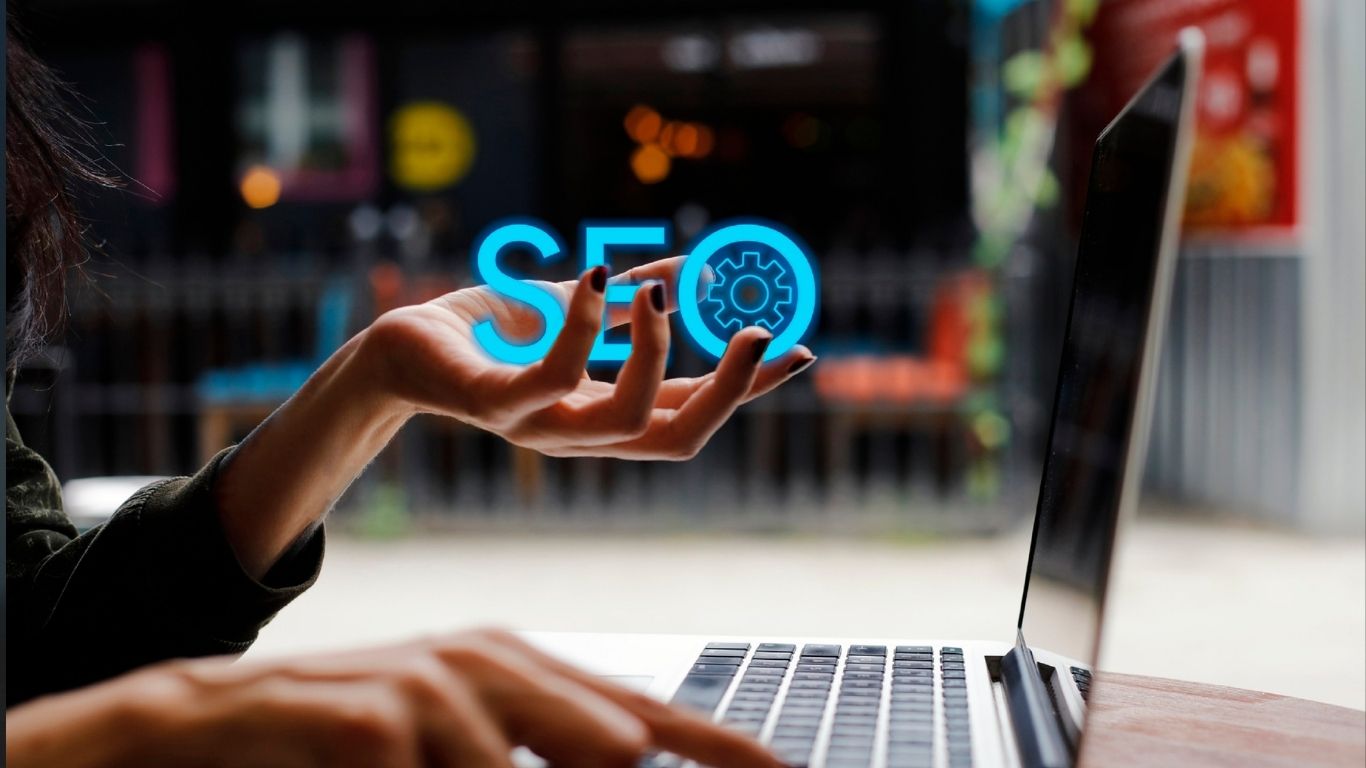
If you are wondering whether AI SEO is different from traditional Google SEO, the short answer is: yes but not completely. Search engines like Google still dominate online discovery, but platforms powered by artificial intelligence such as ChatGPT, Claude, Gemini, and Perplexity are changing how users find information, products, and businesses.
Instead of only ranking websites on a list of blue links, AI systems now summarize, recommend, and interpret content directly. This creates a new battlefield for brands trying to stay visible in a digital landscape that feels increasingly mysterious and unpredictable.
What Is Traditional Google SEO?
Traditional SEO focuses on optimizing your website to rank on search engines like Google and Bing. The goal is to appear higher when someone searches for keywords related to your business.
This includes:
- Keyword optimization
- Technical SEO
- Backlink building
- Page speed optimization
- Content production
- Internal linking
- Metadata optimization
- User experience improvements
Google still relies heavily on crawling, indexing, authority signals, and user behavior to determine rankings. In many ways, the system operates like a labyrinth where trust, relevance, and consistency determine survival.
What Is AI SEO?
AI SEO refers to optimizing your brand and content so artificial intelligence systems can understand, trust, and recommend your business during conversational searches.
Instead of searching:
“best ecommerce SEO agency”
Users now ask:
“Which agency is best for helping Shopify stores grow organically?”
AI platforms analyze context, authority, sentiment, structured information, and semantic relationships instead of relying only on exact keywords.
How AI Search Changes SEO Strategies
Content Must Answer Real Questions
AI tools prioritize clear, educational, and context-rich content. Thin pages built only for keyword stuffing are becoming shadows lost in the dark.
Your content should:
- Answer questions directly
- Use semantic variations naturally
- Demonstrate expertise
- Include structured explanations
- Provide unique insights
Authority Matters More Than Ever
AI systems attempt to identify trustworthy sources. Brands with strong websites, consistent publishing, backlinks, mentions across the internet, and real authority signals have a higher chance of being referenced.
This means businesses need:
- High-quality content
- Brand consistency
- Clear positioning
- Expert-level information
- Technical optimization
Structured Data Is Becoming Critical
Schema markup, clean site architecture, and organized content help AI systems understand your website more efficiently.
In the invisible corridors of AI-driven search, clarity becomes power.
Does Google SEO Still Matter?
Absolutely.
Google SEO is still the foundation of digital visibility. Most AI systems also rely heavily on web content indexed by search engines.
The difference is that modern SEO now needs to serve both:
- Traditional search engine rankings
- AI-driven conversational discovery
Businesses that ignore AI optimization risk becoming invisible as search behavior evolves.
How Ecommerce Brands Should Adapt
For ecommerce businesses, AI SEO can become a massive competitive advantage. Product descriptions, category pages, educational blog content, and semantic optimization all influence how AI platforms interpret your brand.
If your ecommerce store wants to improve visibility both on Google and AI-driven platforms, explore our specialized ecommerce strategies at
Guilda Marketing Ecommerce Solutions
.
The Future of SEO Is Hybrid
The future is not Google SEO versus AI SEO.
The future belongs to brands capable of dominating both worlds simultaneously.
As AI continues evolving, businesses will need:
- Semantic content strategies
- Technical SEO foundations
- Authority-driven branding
- Fast and structured websites
- Educational and conversational content
The brands that adapt early will not simply rank higher. They will become the trusted voices AI systems choose to surface when users ask their most important questions.
If your business wants to prepare for the next generation of SEO and AI visibility,
Guilda Marketing
can help you build a future-proof digital presence.
Want to apply this to your business?
Tell us about your business and we will review your digital presence, growth stage and the biggest opportunities for your next marketing move.